Productivity in Scaling Design
s multi-disciplinary designers go, we often get into situations where our schedules conflict with one another. We have Sprints to help us and our teams ensure we deploy the best product on time. We have user journeys to help us designers empathize and map out how usually a user interacts with a service or product. We’re looking at systems or people. We’re looking at future state and current state. We investigate, then we come back to reflect and retrospect. We look at patterns that would help us design impactful platforms and apps. But is it a work that help us designers grow? Do we even have enough time and headspace to grow?
Slow Down the Hustle

What's stopping you grow is your hustle. As how S. Yuen put it,
There is daily grind at work that asks us to do things faster. So not only are we dealing with less time but we have to do a lot of cognitive switching not only within the design discipline itself. ~ S. Yuen
In most cases, you are not only an interface designer but you also gotta be a powerpoint whiz or an all around project manager or one that creates graphic material for the entire gang in the organization. With all these hustle and bustle, we would not only need to switch domains or tools, but we also have to rapidly switch our mindsets and operations. You might think, oh I was mentored and built to be multi-disciplinary. At work, yes we are all recognized heroes at our organizations for this and that. But have you ever tried stopping and thinking hard what this means for your psyche, for yourself?
So What Now?
Slowing Down Time
When you think about design, there are endless possibilities. The world we are designing for grows increasingly complex by the minute. It's never enough to even train yourself how to rapidly prototype, to dive deep into market research to understand users, to master every principle of Lean UX or Agile Methodologies. Simply put, it's difficult to create artful interfaces and impactful products if you don't give yourself the reward of personal space and time to slow down.
Thing is there's no one-size-fits-all formula to slow down time. Experiment. Do whatever works to give yourself some headspace. I personally have tried to achieve Timeboxing. It's one of many methods to build an active schedule and it also helps me eliminate both unnecessary idle and work time. To know more about Timeboxing, check out David Sherwin's take on how to do Timeboxing right.
Slowing Down Teams

What we need to understand is that consistency in teams is not enough, it sure as hell isn't KEY. We often think oh we should have consistent standards across the organization to better our output. Some may even think systemizing and outlining inclusions and exclusions during kick offs help us spend less time at work and often call ourselves the most productive teams with all these processes in place. No, that is wrong. I'm not saying we shouldn't be organized at all. What I'm saying is rather we should look beyond that where we allocate a bit of our time talking about unspoken stuff, functioning as a relationship rather than just functioning as an assigned group of people.
Stop measuring established processes as basis for better outcomes rather aim to produce better outcomes by building better people.
We can't totally change the scope of our hustle but we can play with time and allocate a bit to discuss as a team your strengths and weaknesses, how you can do your best work. Discuss what value you think you can bring in and how the team can help you. These things only take 30 to 60 minutes but it helps us work efficiently when we know our tendencies.
Minimum Viable Rigor
Working with cross-functional teams with an organization in the habit of re-grouping experts depending on availability and need for a project, often I come across teams in different sizes with different management disciplines. One would always assume that what works for one works for everyone. That's not always the case. The amount of rigor is contextual for each teams. It's important to assess the minimum viable rigor a team can take in. For example, Project A for Team A may need a 3-week Sprint but Project A for Team B may only need a 2-week Sprint and a research plan. Point is, each team works in different pacing. And it's important to take the time to look into these relationships. Trust grows at different pace.
We really need to start creating conditions in the workplace that can allow people to show up for who they really are and allow people to talk about emotions, blank spots, tendencies because the world we are designing for will require us to do more design kung fu as we work with more people, as we design for more people.
You might Also Like
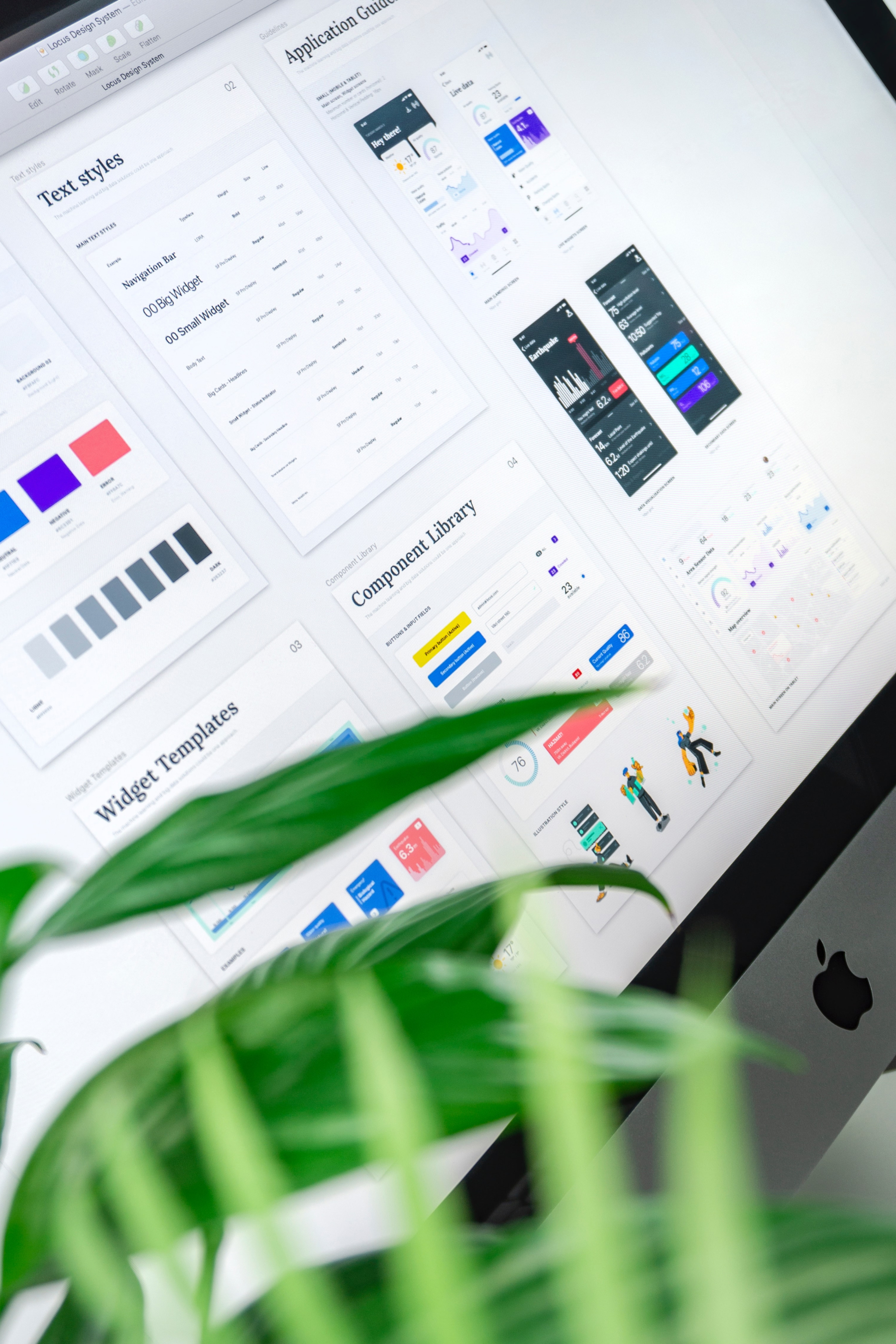
Design Systems: Definition and Structure
Let’s talk about the definition of a design system. The objective of this class is to develop a clear understanding of what a design system is and learn how to incorporate them in projects involving design to dev handovers. Also, for the participants to learn the basics of building a design system.
Read More
A Take on Nudity in Art
Nudity has been present in art for just about as long as humans have been creating it. Often homages to fertility and expression of appreciation for the human form. It was a fair game at that point. But times have changed and although the theme is open to consideration during the 21st century, it has grown to be more sensitive and offensive to a few.
Read More
The Art in Selling
In running an art business, wearing many hats is a wardrobe you have to get used to. It’s nearly impossible to create or produce quality work while scheduling deliveries and drafting the best plan of attack to market which often gets pushed to the back burner. The worst part is: your enthusiasm in what you sell or do doesn’t always translate to traction. And that’s okay. How is that okay?
Read More